If you searched "what breaks a fast," you probably got conflicting advice in minutes. One person says any calories ruin everything. Another says "anything under 50 calories is fine." Both are oversimplified. The real answer depends more on why you are fasting than on the drink in your hand.
About 12% of U.S. adults report following a time-restricted eating pattern, according to the International Food Information Council's Food and Health survey. And 40% of intermittent fasters admit to adding cream or milk to their coffee during their fasting window.
Start with your goal. You might be fasting for weight loss, glucose management, time-restricted eating, digestive rest, or stricter physiology-focused goals such as autophagy. The drink in your mug can fit one goal and conflict with another. The practical approach is to match your intake setup to what you are actually trying to achieve.
What breaks a fast in practice?
For most people asking about daily beverages, the practical question is whether they undermined the goal they are fasting for.
"Strictly speaking, anything with calories will break a fast."
— Dr. Jason Fung, nephrologist and author of The Complete Guide to Fasting
Dr. Fung's quote gives the strict biological answer. But most people are not running a metabolic physiology experiment. They are trying to lose weight, manage blood sugar, or give their digestive system a break. The practical answer depends on your goal.
From that perspective:
- Black coffee: Usually compatible with fasting routines. An 8 oz (240 ml) cup contains roughly 2 to 5 calories per the USDA and is widely used in intermittent fasting protocols.
- Coffee plus stevia: Usually compatible for flexible fasting. A single stevia packet provides roughly 1 calorie per the USDA. Evidence on insulin effects of non-nutritive sweeteners is mixed and can vary by person.
- Coffee plus creamer: Usually a fast break for strict goals, because it adds calories and nutrients that stimulate digestion and fed-state signaling. A single tablespoon of heavy cream contains approximately 51 calories; half-and-half adds about 20 calories per tablespoon.
Why does your goal change the answer?
"It really depends on your goals. If your goal is weight loss, a cup of black coffee is fine. But if you are hoping to trigger all the benefits of fasting, including autophagy, then anything with calories can potentially disrupt that process."
— Dr. Satchidananda Panda, PhD, professor at the Salk Institute and author of The Circadian Code
If your main goal is weight loss, total energy balance over time matters most. Time-restricted eating can help with adherence and appetite control. In a randomized controlled trial published in JAMA Internal Medicine, participants naturally reduced daily calorie intake when following a TRE schedule, consistent with findings from related studies showing a spontaneous reduction of roughly 550 kcal per day when restricting eating to a 4-to-6-hour window. Small additions to coffee do not erase progress.
If your main goal is stricter metabolic signaling, the rules change. Even small nutrient intake may reduce fasting-like pathways. mTOR nutrient-sensing pathways respond to amino acids and energy signals, meaning that protein-containing creamers can dampen the very signals you are fasting to amplify. Human evidence for exact autophagy thresholds is still limited. The LC3B-II/I autophagy marker increased by approximately 31% in human muscle after a 24-hour fast, so it is safer to avoid calories when autophagy or gut rest is your top priority.
| Goal | How strict to be | Coffee + stevia | Coffee + creamer |
|---|---|---|---|
| Weight loss / calorie control | Flexible | Usually compatible | Depends on amount and total intake |
| Glucose / insulin management | Moderate to strict | Often compatible, individual response varies | Use caution; can raise response in some people |
| Autophagy-focused fasting | Strict | Uncertain | Generally avoid |
| Gut rest | Strict | Usually lower impact than creamer | Breaks digestive rest |
Does coffee with creamer, stevia, or plant milk break your fast?
1) Black coffee
Black coffee is near-zero calorie and widely used in fasting schedules. The NEJM review describes it as compatible with fasting protocols that aim for metabolic switching between glucose and ketones. Coffee has broad health-outcome research behind it, but that does not mean more is better.
Caffeine metabolism varies significantly between individuals. The average caffeine half-life is 4 to 6 hours in healthy adults, with a range of 1.5 to 9.5 hours depending on genetics, smoking status, liver function, and other factors (StatPearls / NIH). If fasting coffee makes you jittery, sleep-deprived, or ravenous later, adjust dose and timing. For glucose-sensitive individuals, caffeine can alter glucose response in some groups with type 2 diabetes, so personal testing matters.
2) Stevia packet
Stevia does not add meaningful calories, and a randomized trial comparing stevia with sugar and aspartame found neutral or favorable post-meal glucose and insulin patterns. Non-caloric sweeteners affect people differently. The WHO guidance on non-sugar sweeteners recommends limiting broad long-term use, noting that effects on insulin sensitivity and the gut microbiome are being studied.
If sweet taste increases your cravings during fasting, pay attention regardless of the calorie count. The insulin response to sweet taste alone, the cephalic phase insulin release, varies widely between individuals and is not fully understood.
3) Creamer
Creamer is where most fasting debates start. Even a small splash adds calories and can include fat, carbs, and sometimes protein. The calorie range is significant depending on the type and amount:
- Heavy cream (1 tbsp): ~51 calories, mostly fat
- Half-and-half (1 tbsp): ~20 calories
- Whole milk (1 tbsp): ~9 calories
- Sugar-free powdered creamer (1 tsp): ~10 calories with additives
Sweetened creamers add 3 to 5 grams of sugar per tablespoon on top of the base calories, making the metabolic impact larger. Unsweetened creamers can alter digestion because any calorie intake, even from fat alone, triggers digestive enzyme secretion and shifts hormone levels.
Label reading matters. "Zero sugar" is not the same thing as "metabolically neutral." Ingredient blends can include starches, gums, or oils that affect tolerance and, for some people, glucose response.
4) Coffee with creamer and stevia together
For flexible fasting focused on consistency and weight loss, this can fit if the portion is small and not repeated all day. For strict fasting goals, treat it as a fast break and move on.
5) MCT oil and butter
Bulletproof-style coffee with MCT oil or butter has become popular in fasting circles, but these additions are calorie-dense. One tablespoon of MCT oil delivers approximately 115 calories, and butter adds roughly 100 calories per tablespoon. While MCTs are rapidly metabolized into ketones, the caloric load provides energy that can reduce autophagy signaling and breaks the fast in strict terms. For flexible weight-loss fasting, small amounts may fit your daily plan.
6) Milk alternatives (almond, oat, soy)
Plant-based milk alternatives vary widely in calorie content. Unsweetened almond milk contains roughly 30 calories per cup, while oat milk can reach 120 calories per cup and includes carbohydrates that raise glucose more significantly. Check the label: "barista blends" and sweetened varieties add both calories and sugar.
Does diet soda or sucralose break a fast?
Diet sodas with non-nutritive sweeteners (such as aspartame, sucralose, or acesulfame potassium) contain zero calories and do not break a fast for weight loss or ketosis. For strict cellular autophagy or digestive rest, sweet taste can trigger minor cephalic phase digestive activity, and chronic high intake may alter gut microbiome composition.
Evidence on non-nutritive sweeteners is mixed. A systematic review on postprandial glucose and insulin and randomized trials demonstrate that acute postprandial glucose and insulin curves remain flat when aspartame or stevia is consumed alone. However, trials examining chronic sucralose consumption report potential reductions in insulin sensitivity and elevations in fasting insulin in healthy young adults. If diet soda helps you transition through a difficult fasting window without snacking, it remains a viable weight-loss tool. However, if artificial sweeteners trigger cravings or GI bloating, plain sparkling water or black tea provides a cleaner alternative.
Does apple cider vinegar (ACV) break a fast?
Apple cider vinegar (ACV) does not break a fast. One to two tablespoons (15-30 ml) of diluted apple cider vinegar contains roughly 3 to 6 calories and less than 0.2 grams of carbohydrates, keeping you firmly in a fasted state for weight loss, ketosis, and metabolic health.
The active component in apple cider vinegar is acetic acid. Research indicates that acetic acid can delay gastric emptying and improve postprandial insulin sensitivity when consumed prior to carbohydrate-containing meals. Always dilute ACV in 8 to 10 fl oz (240 to 300 ml) of water to protect your tooth enamel and esophageal lining from direct acid exposure.
Does lemon water break a fast?
Fresh lemon water does not break a fast for weight loss, ketosis, or metabolic management. Squeezing the juice of half a fresh lemon into a glass of water adds roughly 5 to 6 calories and approximately 1 gram of carbohydrates per USDA data, which is metabolically negligible.
The minimal trace sugars in lemon juice do not trigger an insulin surge or halt hepatic fat oxidation. However, for people practicing strict water-only fasting for complete digestive gut rest, even minor amounts of citric acid stimulate salivary and gastric acid secretion. If your goal is weight loss or daily 16:8 time-restricted eating, fresh lemon water is completely safe.
Do BCAAs or collagen peptides break a fast?
Yes, BCAAs (branched-chain amino acids) and collagen peptides break a fast. Both contain concentrated amino acids that directly activate mTOR (mechanistic target of rapamycin), turning off cellular autophagy and signaling to the body that nutrients are available.
Leucine, the primary amino acid in BCAA blends, is one of the most potent biological triggers for insulin secretion and protein synthesis. A standard serving of collagen peptides provides 10 to 20 grams of protein and 40 to 80 calories, which fully halts the fasted metabolic state. If you take collagen for skin health or BCAAs for workout recovery, schedule them inside your eating window. For guidance on scheduling vitamins and minerals without breaking your routine, read our guide on when to take supplements while fasting.
Do zero-calorie electrolytes break a fast?
Pure, unsweetened electrolytes do not break a fast. Minerals like sodium, potassium, and magnesium contain zero calories, do not stimulate insulin, and are essential for preventing headaches, lightheadedness, and muscle cramps during fasting windows.
During fasting, lower insulin levels cause the kidneys to excrete sodium and water more rapidly (the natriuresis of fasting). Supplementing with unflavored electrolytes helps maintain plasma volume and neuromuscular function. Always check electrolyte labels carefully: commercial hydration powders often add dextrose, maltodextrin, cane sugar, or fruit juice concentrate, which will break your fast. Stick to unflavored mineral salts or clean, zero-calorie formulations.
Does chewing gum break a fast?
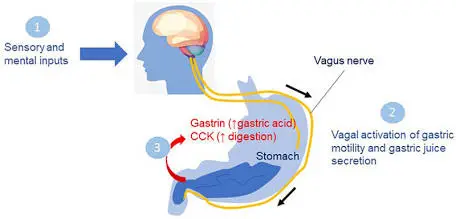
Chewing gum is more metabolically active than most people assume, even when you do not swallow it. The act of chewing alone triggers the cephalic phase response, the brain-to-gut signaling pathway that primes your digestive tract before food arrives. Sensory inputs (taste, smell, chewing motion) activate the vagus nerve, which stimulates gastric motility, stomach acid secretion, and digestive enzyme release. This matters because gum can disrupt a fast without contributing a single swallowed calorie.
The effect depends heavily on the type of gum and your fasting goal:
- Sugar-sweetened gum: A single stick contains roughly 5 to 10 calories, mostly from sucrose or high-fructose corn syrup. In a fasted state with sensitized glucose regulation, even this small amount can cause a blood sugar spike followed by an insulin surge, which may trigger hunger. For weight-loss fasting, sugar gum is counterproductive. For strict goals (autophagy, gut rest), it clearly breaks the fast.
- Sugar-free gum (aspartame, sucralose): These contain negligible calories, and the acute glycemic and insulin responses when consumed alone in a fasted state are almost entirely flat. Studies that linked sucralose to insulin spikes only found the effect when consumed alongside a massive dose of pure glucose, not relevant to solo consumption. Sugar-free gum can help manage the urge to chew and curb cravings during flexible fasting, but may disrupt strict goals because the cephalic phase response primes digestion regardless of calorie content.
- Sugar alcohols (xylitol, sorbitol): Polyols are not non-nutritive sweeteners. They contain carbohydrates and are partially absorbed by the body. They can cause osmotic fluid shifts in the colon and, for some people, gas and bloating from microbial fermentation. For gut-rest goals, xylitol and sorbitol gum are a poor choice even though total calories are low.
| Fasting goal | Sugar-sweetened gum | Sugar-free gum (aspartame/sucralose) | Sugar-free gum (xylitol/sorbitol) |
|---|---|---|---|
| Weight loss | Breaks fast. Spikes insulin and can accelerate hunger cravings. | Safe option. Negligible calories, helps manage oral fixations. | Safe option. Minimal calories, though slightly higher energy yield. |
| Glucose / insulin control | Breaks fast. Causes immediate glucose and insulin volatility. | Proceed with caution. Generally flat, but may affect sensitive individuals. | Proceed with caution. Low-glycemic but processed as a minor carbohydrate. |
| Autophagy | Breaks fast. Carbohydrates turn off cellular cleanup via mTOR. | Likely breaks fast. Sweet taste and vagal activation can disrupt the strict fasted state. | Breaks fast. Contains measurable carbohydrate energy that alerts cellular sensors. |
| Gut rest | Breaks fast. Triggers stomach acid, enzymes, and GI motility. | Breaks fast. Vagal stimulation causes the stomach to churn and secrete acid into an empty belly. | Strictly breaks fast. Causes mechanical air swallowing plus osmotic shifts and microbial fermentation. |
Is there a scientific calorie threshold for fasting?
The popular "50-calorie rule," the idea that anything under 50 kcal leaves a fast intact, is a practical heuristic, not a science-backed threshold. A review in Nutrients notes that small caloric pre-loads under roughly 50 kcal produce minimal glycemic and insulin spikes, preserving much of the fasted metabolic state. However, individual sensitivity varies enormously. Someone with insulin resistance may show a measurable glucose rise from a much smaller intake than a metabolically healthy person.
Autophagy, one of the most commonly cited strict-fasting goals, requires longer abstinence from nutrients. The NEJM review notes that direct measurement of autophagy in humans during fasting remains technically challenging, so recommended thresholds are based on animal models and indirect human markers. What is clear: any caloric intake that raises insulin will reduce the autophagy signal.
Common myths that confuse people
- "Any calories ruin all fasting benefits." This is too rigid. Fasting outcomes sit on a spectrum. The JAMA Internal Medicine trial showed that time-restricted eating produced weight loss even when participants were not told to restrict calories. A small amount of creamer may be compatible with weight-loss goals, even if it interrupts stricter metabolic states.
- "Stevia never breaks a fast." Also too rigid. Stevia is usually low impact, but the randomized trial showed individual variation in post-meal glucose and insulin. For some people, the sweet taste alone triggers a cephalic insulin response that can briefly alter the fasted state.
- "Black coffee is always safe for everyone." Not always. Black coffee is usually fasting-compatible, but caffeine can worsen anxiety, sleep, or glucose control in some people. The Diabetes Care study showed that caffeine altered glucose response in adults with type 2 diabetes, meaning blanket safety claims do not hold for everyone.
Practical rule you can use tomorrow
Decide your goal first. If your goal is strict autophagy or gut rest, use water, plain tea, or black coffee. If your goal is mainly weight loss adherence, a small creamer addition may be acceptable if it helps you stay consistent. Track how you feel for two weeks and adjust.
A simple decision guide
- Pick your primary goal: weight loss, glucose control, autophagy, or gut rest. This determines how strictly you need to avoid calories.
- Check your drink label: total calories, sugars, and serving size. A single "splash" of creamer is often 2 tablespoons, roughly 40 to 100 calories depending on the type. Measure it once to know what you are actually adding.
- Run a 2-week test: use one consistent coffee setup and track hunger, energy, and adherence. If you find yourself craving food an hour after your coffee or stalling in your progress, adjust the amount or switch to black.
- If you have diabetes or prediabetes: monitor response with your care team. Individual variation in glucose response to caffeine, creamer, and sweeteners is real and can matter a lot.
- Skip the guilt: if you added creamer this morning, you did not "fail" at fasting. Adjust for tomorrow and keep going. Consistency over weeks and months matters more than any single cup.
If you are timing supplements or medications with fasting, this guide pairs well with our post on when to take supplements while fasting. During a heatwave, also read our guide on fasting in extreme heat and medication safety. And if you are planning a longer fast, review how to break an extended fast before you start. For peace of mind about your health data, see where your medication data actually goes.
Sources and evidence quality
We prioritized human studies and major clinical reviews. Autophagy claims are still lower certainty in real-world human fasting because direct measurement is difficult.
- NEJM review on intermittent fasting - foundational overview of fasting physiology and metabolic switching.
- JAMA Internal Medicine trial on time-restricted eating - weight-loss outcomes and adherence context.
- Diabetes Care study on caffeine and glucose in type 2 diabetes - caffeine can alter glucose response in some groups.
- Randomized trial on stevia, appetite, and postprandial insulin - stevia compared with sugar and aspartame in humans.
- WHO guidance on non-sugar sweeteners - long-term outcomes and caution around broad sweetener use.
- Cell review on mTOR and nutrient sensing - mechanistic context for why nutrients can reduce fasting-like cellular signals.
- Obesity trial on calorie reduction with TRE - spontaneous reduction of ~550 kcal/day with 4-6 hour eating windows.
- Physiological Reports study on autophagy markers after 24-hour fast - measured ~31% increase in autophagy marker LC3B-II/I in human muscle.
- Nutrients review on meal frequency and timing - context on the practical "50-calorie" guideline and its limitations.
- Systematic review and randomized trials on non-sugar sweeteners (Zhang 2023, Anton 2010, Romo-Romo 2018, Bueno-Hernández 2020) - postprandial glucose and insulin curves, acute neutrality, and chronic sensitivity considerations.
- European Journal of Clinical Nutrition studies on vinegar and acetic acid (Liljeberg 1998, Ostman 2005) - delayed gastric emptying rate and improved postprandial glucose/insulin responses.
- Cell Metabolism and Diabetes Care studies on amino acids, leucine, and mTOR (Wolfson & Sabatini 2017, van Loon 2003) - amino acid sensing mechanisms, insulin secretagogue effects, and autophagy regulation.
- New England Journal of Medicine study on renal sodium handling (Spark, Arky & Boulter 1975) - hormonal regulation and the natriuresis of fasting during caloric restriction.
The best fasting plan is the one you can repeat safely. Precision helps, but perfection is not required to make progress. If your coffee setup supports consistency and does not conflict with your health goals, that consistency matters more than strict rules.
This article is for informational purposes only. Consult your healthcare provider before making changes to your medication or fasting routine.